
In short
- You need a Certificate of Fitness from your treating doctor to lodge a claim and to get weekly payments.
- You can keep your own GP. A doctor experienced with CTP claims is an option, not a requirement.
- The CTP insurer generally pays for treatment that is reasonable and necessary for your accident injuries. It decides what's approved, and its decisions can be reviewed.
- Physiotherapy, psychology, exercise physiology and other allied health can be part of your treatment plan.
- We're not a medical practice. If you'd like, we can introduce you to a doctor experienced with CTP claims or to allied health. It's your choice.
Why the right doctor matters
In a NSW CTP claim, your doctor completes a Certificate of Fitness. It records your injuries, your planned treatment and how your injuries affect your usual activities and work, whether or not you were working at the time of the accident.
Many decisions in a claim rest on medical evidence, such as whether your injury is a threshold injury and what treatment is approved. The insurer decides, based on a medical diagnosis. A clear diagnosis, a written treatment plan and certificates kept up to date help the insurer understand your injuries.
The insurer can suspend weekly payments if you don't give it a current certificate, so keep an eye on the dates on yours.
Your own GP, or a doctor experienced with CTP claims
You choose your doctor. Many people see their usual GP, and that's fine.
Some doctors see a lot of CTP claims. They know the Certificate of Fitness and how treatment requests to the insurer work, which can make the paperwork smoother. It doesn't change the scheme rules or what the insurer decides.
Whoever you see, tell them the injury happened in a motor accident, mention every symptom, including ones that started later, and ask for a Certificate of Fitness.
Physiotherapy
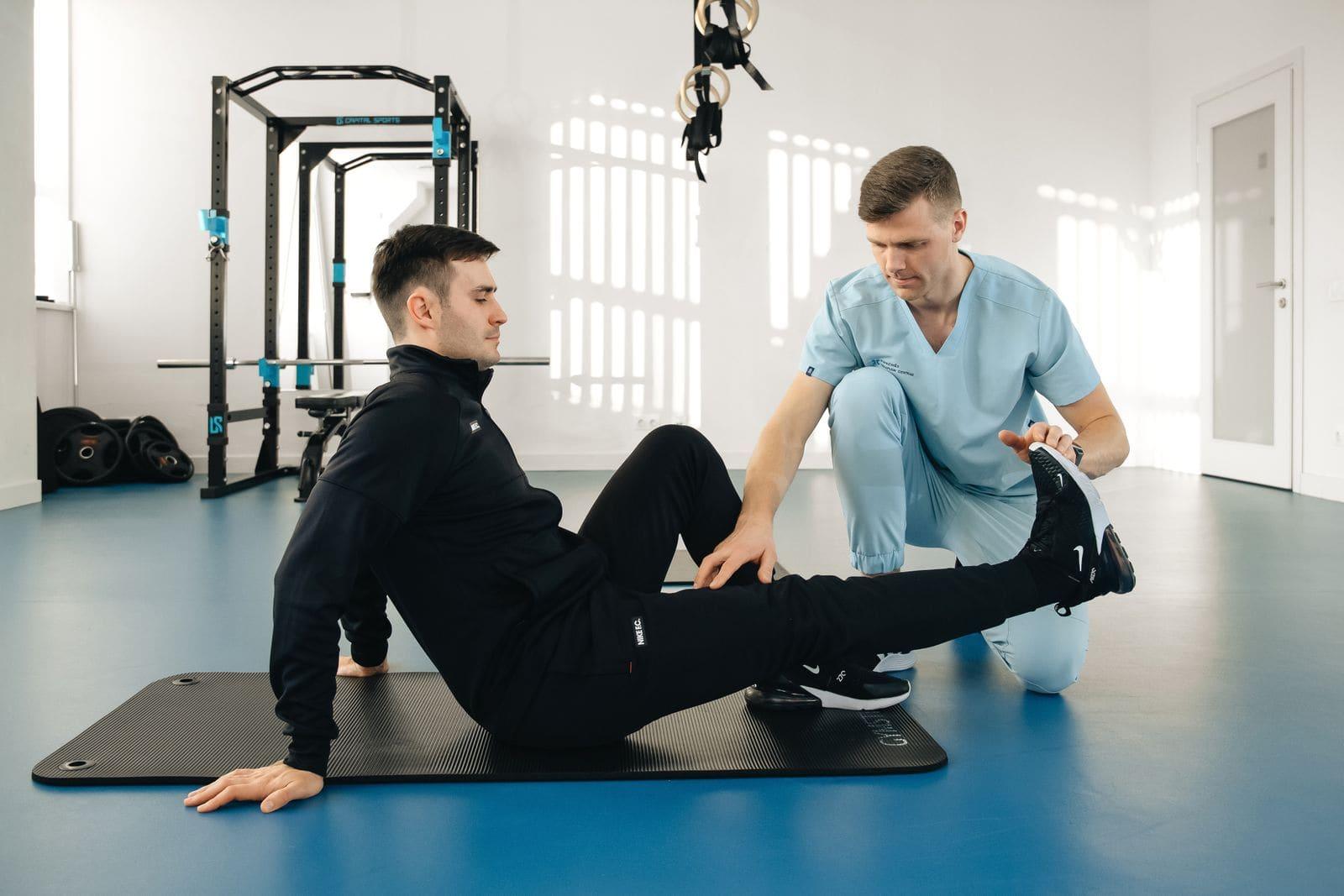
Physiotherapy is often part of treatment for sprains, strains and whiplash. Your GP can refer you.
The insurer generally pays for treatment once it approves a request for it. It must decide a request to pay for treatment or care as soon as possible and within 10 business days, so ask your physiotherapist whether a request has gone to the insurer.
Psychology and counselling
Anxiety, poor sleep, low mood or a fear of driving can follow a crash. Psychological injuries are part of the CTP scheme too.
Your GP can talk with you about how you're going and refer you to a psychologist or counsellor if that's the right treatment for you.
If you're struggling right now, call Lifeline on 13 11 14, any time. In an emergency, call 000.
Exercise physiology
An exercise physiologist plans supervised exercise aimed at building strength and getting back to your usual activities. It's often part of a treatment plan later in recovery.
Other allied health
Depending on your injuries, your treatment plan may include other allied health, such as occupational therapy or rehabilitation to help you back to work. The insurer decides whether each one is reasonable and necessary for your accident injuries.
How treatment is generally funded
The CTP insurer generally pays for treatment that is reasonable and necessary for your accident injuries. It decides what's approved, and its decisions can be reviewed.
For accidents on or after 1 April 2023, people with a threshold injury can receive statutory benefits, including treatment and care, for up to 52 weeks after the accident.
If you were wholly or mostly at fault, your statutory benefits generally stop after 52 weeks. Children who were 16 or under at the time of the accident can receive treatment and care for as long as they need it, regardless of fault.
If the insurer refuses a treatment request, you can generally ask for an internal review within 28 days of receiving the decision.
If you have a CTP claim, the CTP insurer, not Medicare, should generally pay for your accident-related treatment, so give your providers the insurer's name and your claim number. See treatment and care.
Rules change. This page reflects the rules as we understand them in September 2026. General information, not legal advice.
Treatment before you lodge
Once you've told the insurer about your injury, it can approve some treatment before you lodge a full claim, usually a GP visit and two further treatment sessions such as physiotherapy. This is at the insurer's discretion and only within the first 28 days after the crash. For more treatment you need to lodge a claim.
Ambulance and much of your public hospital treatment (such as accommodation, X-rays, blood tests and nursing) are covered by the Fund levy paid through CTP insurance, whether or not you make a claim or were at fault. Some public hospital doctors' bills aren't covered. If you make a CTP claim, send those bills to the insurer.
What to bring to your appointment
- The date of the accident and a short note of what happened
- A list of every symptom, including ones that started later
- Your claim number and the insurer's name, if you've lodged
- Any hospital discharge summary, scans or reports you have
- Receipts for treatment and medication
- Your current Certificate of Fitness, if you have one
Telehealth
Some doctors and allied health providers offer appointments by phone or video. They can suit follow-up appointments, especially if travel is hard. An in-person examination may still be needed, so ask the provider whether telehealth suits your appointment.
How our referral works
We're not a medical practice, and we don't give medical advice or treatment.
If you'd like help finding a doctor experienced with CTP claims, or allied health, tell us. We'll talk through your options, and you choose. You can keep your own GP and treating team at any time.
Before we pass on anything, we ask whether you agree to us sending your name, phone number and a short summary of your accident and injuries to that provider, and we confirm it with you by email or SMS. Nothing is sent until you agree.
The provider explains how its treatment is funded before you start.
Allied health in a treatment plan
Your GP can refer you. The insurer decides whether each treatment is reasonable and necessary for your accident injuries.

Physiotherapy
Often part of treatment for sprains, strains and whiplash.

Psychology and counselling
For anxiety, poor sleep, low mood or a fear of driving after a crash.
Exercise physiology
Supervised exercise, often later in recovery.
Your choice, every step
Want help finding the right care?
Tell us about your injuries and where your claim is up to. We'll help you get the Certificate of Fitness and the claim sorted, and talk through your care options if you'd like.
If you'd like an introduction to a doctor experienced with CTP claims or to allied health, we ask before we share anything, and nothing is sent until you agree.
We're not a law firm or a medical practice. If your case calls for it, we can introduce you to an independent CTP lawyer or a doctor experienced with CTP claims.

Lodging help, a doctor or a lawyer?
Work out what help your claim needs
Four quick questions about where your claim is up to, your injuries and your work. Many claims never need a lawyer.
A check points you to a likely next step. It isn't a decision about your claim: only the insurer decides that.
General information, not legal advice. Time limits apply. Get advice about your own situation.
Last checked:
Frequently asked questions
Keep reading
Treatment and care
What the insurer generally pays for, how requests are decided and how to challenge a refusal.
Read moreThe Certificate of Fitness
The form your doctor completes, why you need it to lodge and how to keep it current.
Read moreThreshold injury
What a threshold injury is, why the insurer's decision matters and how long benefits last.
Read moreDo you need a lawyer?
Often not. When legal help tends to matter, and where to get advice on some questions.
Read moreIndependent help
Get your claim ready with us
- Independent service
- By phone and online, across NSW
- Nothing shared without your consent
- The right help, your choice
Prefer a call back?